
Key Trends Set to Shape 2026
April 1, 2026In today’s information landscape, it’s hard to tune into the signal and tune out the noise. What’s a flash in the pan and what’s here to stay? What’s substance and what’s distraction? What’s opinion and what can be corroborated by facts?
As an organization that’s set up to be around for — not a decade, not a lifetime, but forever, we feel an obligation to study the past, analyze the present, and prepare for the future. Below are 7 trends set to shape the future of the philanthropic sector with examples of local signals we can observe today. This list was compiled with the help of national reports and data as well as insights from local partners.
1. Federal Funding is Increasingly Unreliable
The Trend: Widespread disruptions, freezes, and cancellations of federal funding are putting pressure on nonprofits to adapt, make tough prioritization decisions, and diversify revenue. A report by the Urban Institute found that one-third of nonprofits experienced disruptions of federal, state, or local government funding in 2025. Nonprofits are needing to get creative and make the case more directly to community members that their services are worth supporting.
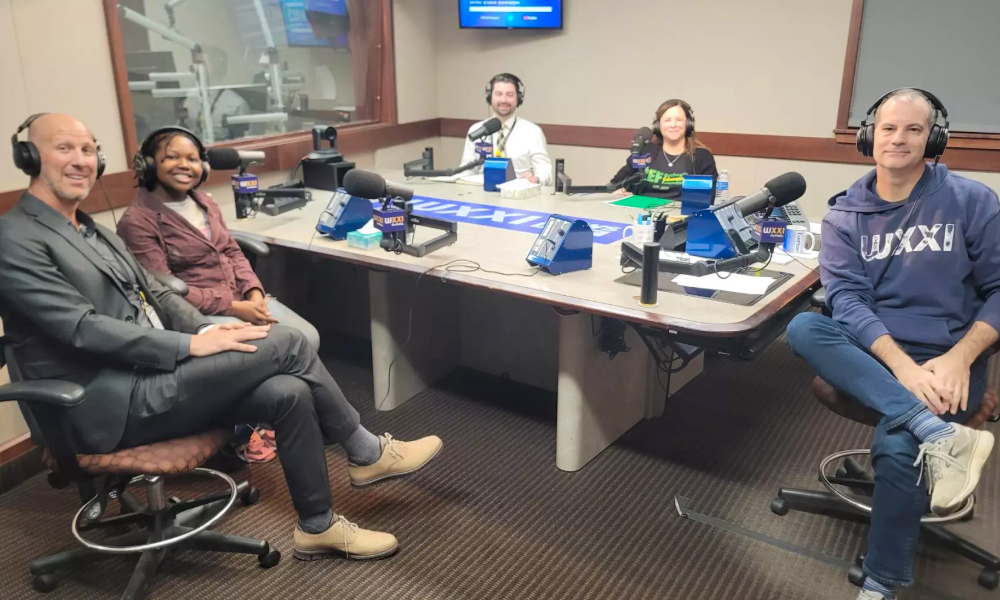
Right Here: Local public media platform WXXI lost $1.9 million in annual federal funding in July of 2025. Months before that decision was finalized, WXXI and Rochester Area Community Foundation were in dialogue about looming threats to funding for public broadcasting. In April, WXXI received a grant that would help them pause in a moment of disruption and make an intentional plan for the future of their services to this community. Coming out of that work, WXXI asked for increased support from community members who see the value of trusted local media, tested new revenue streams (like renting their studios to creators), and reimagined their digital services. Within just a few months, WXXI raised $2.1 million in memberships, giving them time to reinvent themselves within a radically different funding landscape.
Learn more through a conversation between the leaders of the Community Foundation and WXXI.
2. Funders Must Collaborate Too
The Trend: Funders, just like direct-service nonprofits, are becoming increasingly collaborative. Funders are not only pooling assets in order to distribute more dollars, but are leaning on each other’s expertise, connections, and infrastructure to make those dollars more effective. But taking advantage of pooled resources requires alignment: on goals, approaches, and measures. As funders find common ground among their priorities and uncover complementary strengths, they can tackle complex issues impossible to address alone.
Right Here: Last summer, Greater Rochester Health Foundation and Rochester Area Community Foundation established a new funding partnership focused on health equity. By combining Greater Rochester Health Foundation’s deep subject-matter expertise and grassroots relationships with Rochester Area Community Foundation’s portfolio of health-related funds, the partnership unlocked an additional $440,000 in grants for local nonprofits. Together, the two foundations were able to invest meaningfully in mental health, food security, and basic human needs at a time when other resources were becoming less available.
“These days, we are asking nonprofits to do more, to do it more efficiently, and to partner with one another to maximize every dollar. In philanthropy we are doing the same,” said Simeon Banister, the Community Foundation’s president & CEO.
3. As Social Safety Net Frays, Nonprofits Are Left to Fill Gaps
The Trend: Over the last decade, safety net programs have played a critical role in reducing poverty, decreasing the share of Americans who lack health insurance, and improving children’s long-term well-being (demonstrated succinctly in this report by the Hamilton Project). With the One Big Beautiful Bill Act (OBBBA) signed into law in 2025, changes to long-standing government programs like Medicaid and SNAP are widening the gap between community needs and accessible resources. Nonprofit providers are having to do more with fewer predictable supports, often in conditions that demand speed, coordination, and local insight.
Right Here: When SNAP benefits were paused in late 2025, Foodlink — the region’s largest food insecurity organization — met an unprecedented surge in demand by distributing $1.5 million in additional food purchases across its 10-county service area. Mary Elizabeth Conlon, a graduate of East High School born in 1914, couldn’t have imagined a SNAP crisis when she established a $3 million fund at the Community Foundation to address hunger. Because of her fund, the Community Foundation was able to make a $200,000 grant to Foodlink without emergency fundraising.
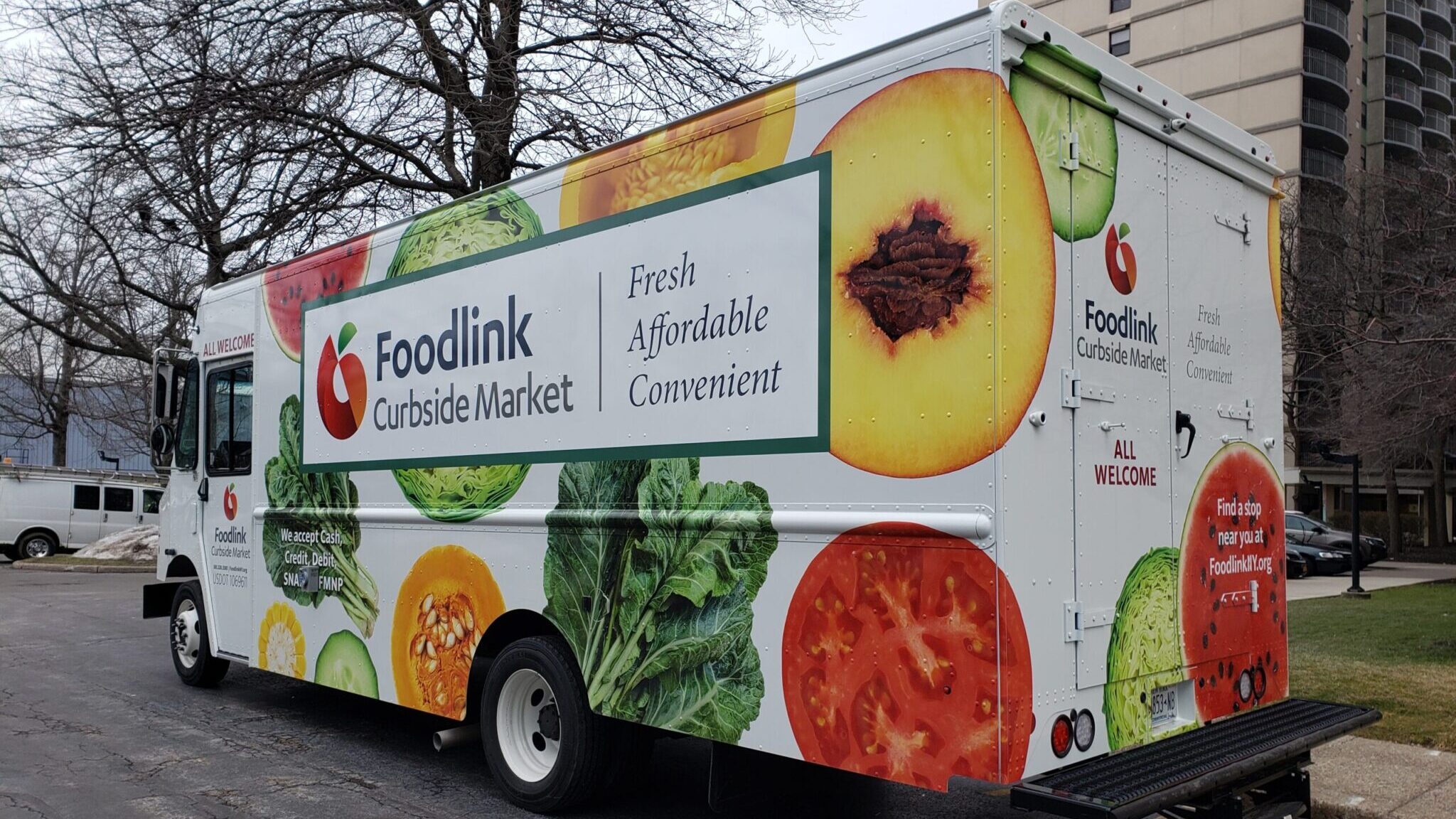
At the same time, Community Foundation fundholders mobilized, directing an additional $74,000 to Foodlink and $65,500 to rural food pantries in areas not covered by Foodlink’s network. These investments were guided by a layered assessment that combined food pantry coverage, population and poverty data, and input from nonprofits. Community Foundation staff spoke with lawmakers, such as Rep. Claudia Tenney, about long-term concerns around food insecurity in our region.
Hear directly from Foodlink about redesigning systems in real time so families don’t go hungry.
4. Earning Trust Requires Transparency and Effectiveness
The Trend: Across generations and giving levels, donors are placing greater emphasis on effectiveness over activity. Transparency, outcomes, and learning matter. The question is shifting from “What did this support?” to “What changed because of it?” To answer this question, nonprofits of all kinds are needing to get better at communicating impact in ways that are grounded in data and the experiences of local residents.
Right Here: The Community Foundation is working to share the impact of local philanthropy with openness, nuance, accountability, and clarity, recognizing that our community’s challenges are interdependent, complex, and often systemic. A combination of storytelling and data is required.
This past year, the stories that resonated most with our community were the ones that combined data with lived experience, showing how investments translated into real, measurable progress. Here are three of the stories you engaged with most:

Do It 4 Ur Kidz Scholarship helps single parents achieve their goals by getting back in the classroom.
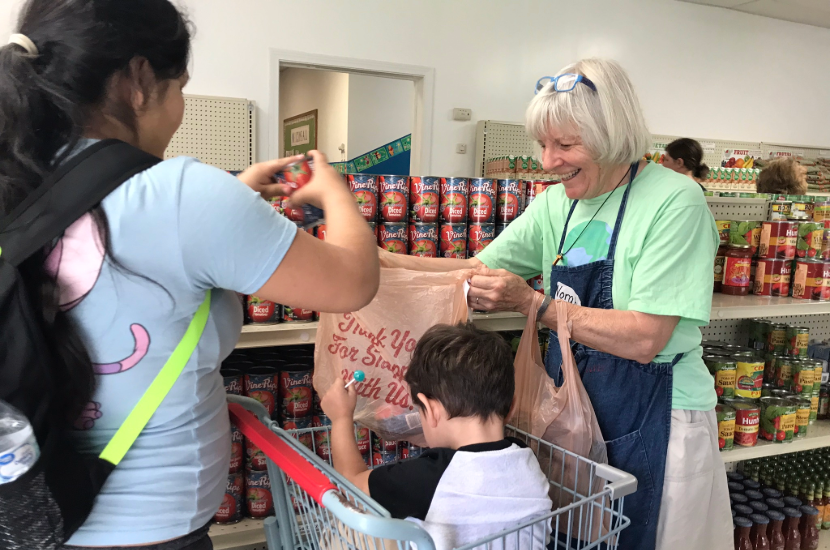
Rochester Hope’s N. Clinton Food Pantry: food for neighbors in need, no questions asked.

$467,000 in new funding supports early childhood care with a focus on literacy resources.
5. Clear Strategies Make It Easier to Say Yes
The Trend: With today’s broad access to information, data, and research, many donors are interested in an under-the-hood look into how philanthropic dollars will be used to address observable issues and inequalities. Broad mission statements alone are no longer enough; donors are drawn to well-articulated strategies that explain why an approach is positioned to address our community’s needs.
Right Here: The Community Foundation’s role increasingly includes working with donors who want to move from values to strategy — whether through issue-focused funds, co-investment opportunities, or learning experiences grounded in the community. Donors are looking to give with confidence and are seeking partnership in translating complex systems into clear action. We’ve seen an increase in fundholders motivated to respond to compelling nonprofit proposals that have already shown alignment with the Community Foundation’s framework for community impact. In the last year, Community Foundation fundholders have expanded Rochester Area Community Foundations grant cycles by more than a million dollars.
6. Tired of Disconnection, People Seek Common Ground
The Trend: Our society has become more digitized, mobile, and politically polarized, leading to a sense of disconnection and rising levels of distrust. Pew Research Center describes how trust in one another is good for problem solving, the economy, and healthy democracies, yet “fewer than half of Americans (44%) now say they can trust all or most of the people in their neighborhood, down from 52% a decade ago.”
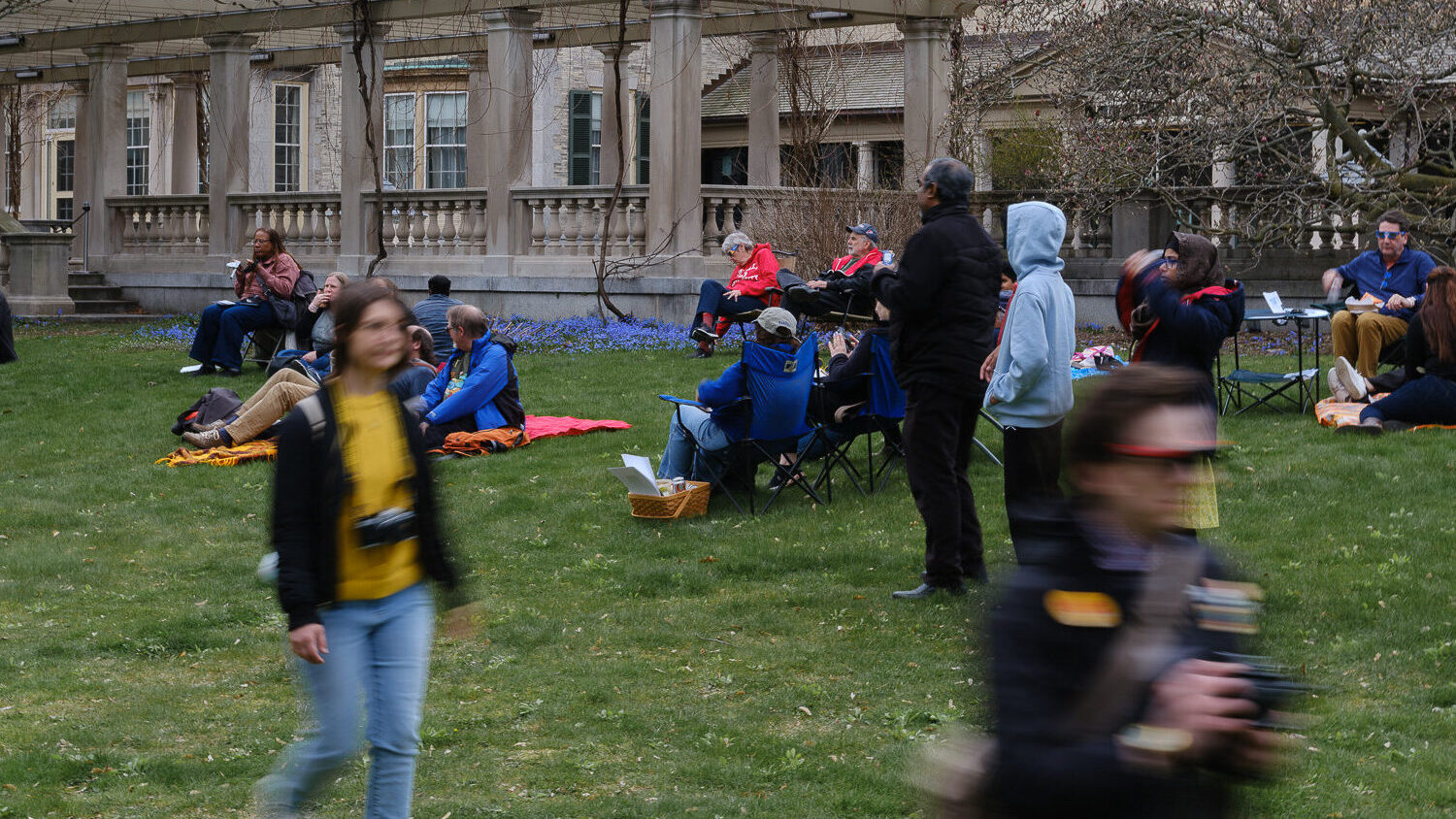
Rather than resigning ourselves to fewer and less meaningful social connections, many people are choosing to lean in locally through engagement with volunteerism, faith organizations, neighborhood groups, and giving circles. Philanthropy is increasingly being used as a vehicle for identifying and expressing shared values.
Right Here: The Latino Giving Circle of Rochester Area Community Foundation came together last year to award $35,625 in grants to support Latino communities navigating urgent challenges: immigration policy shifts, rising food insecurity, barriers to healthcare and housing, and ongoing inequities in education and employment.
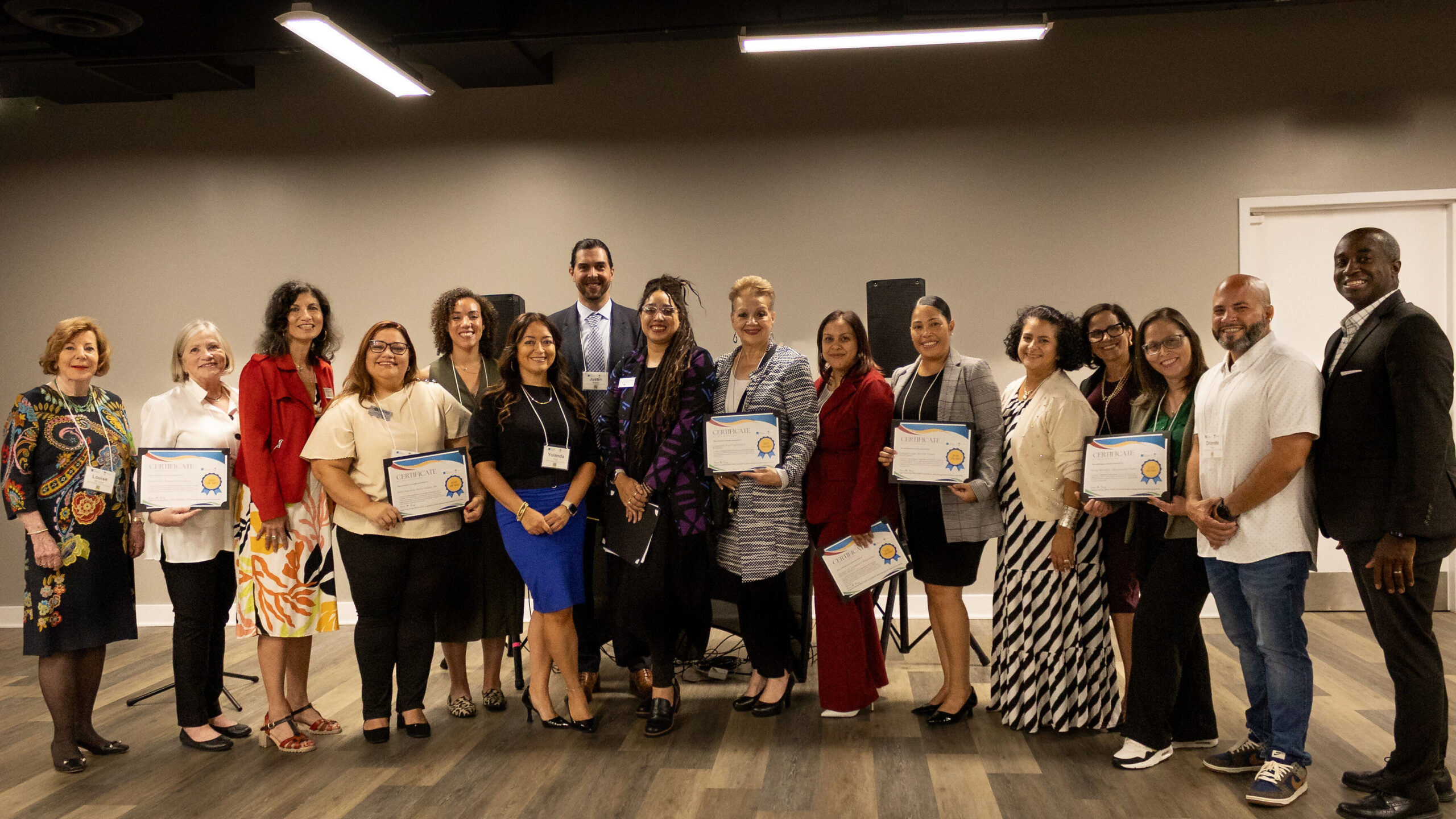
A steering committee made up of local community members reviewed applications and recommended projects for funding. “Every grant sends a clear message to our Latino community,” said Yolanda Rios, co-chair of the Latino Giving Circle. “Our people are essential, our culture is beautiful, our future is bright.”
7. AI Becomes Increasingly Embedded
The Trend: AI-related features have been incorporated into everyday life, from search engine responses to customer support chatbots, all while ethical and environmental concerns remain largely unanswered. This surge in integration affects the stock market, job security, the tools we use, and much more. AI-generated search responses are answering everyday questions before people ever visit individual websites, making it more challenging for public institutions and social enterprises to offer information directly to residents and constituents. At the same time, AI is automating repetitive tasks, analyzing large data sets, and surfacing insights faster than ever before.
Right Here: In January of 2026, Rochester Procurement Expansion Program (RPEP), an initiative of Rochester Area Community Foundation, launched Monroe Bid Intelligence using advanced web scraping techniques paired with AI to consolidate public bid opportunities in Monroe County from over 60 sites. This tool addresses a persistent challenge RPEP heard from local entrepreneurs, that the opportunity represented by public RFPs cannot be realized by small businesses when bids are decentralized, poorly organized, and time-consuming to research. Members of the RPEP network will be able to get free access to this aggregated listing, refreshed every other week. “This just wasn’t possible eighteen months ago,” says Cameron Caputi, director of community and foundation analytics.
How This All Comes Together
Taken together, these trends point to a philanthropic sector that must be more intentional, clear, responsive, and connected than ever. At the Community Foundation, our work is grounded in the belief that enduring change requires both foresight and steadiness: listening to those closest to each issue, stewarding resources responsibly, and showing up alongside community partners when it counts.
How Government Funding Disruptions Affected Nonprofits in Early 2025. The Urban Institute. https://www.urban.org/research/publication/how-government-funding-disruptions-affected-nonprofits-early-2025
Learning From a Decade of Collaborative Philanthropy, 2025. https://ssir.org/articles/entry/learning-from-collaborative-funding
11 Trends in Philanthropy for 2026. Dorothy A. Johnson Center for Philanthropy. https://johnsoncenter.org/blog/11-trends-in-philanthropy-for-2026/
What’s Next? Predictions for Philanthropy, 2026. Chronicle of Philanthropy. https://www.philanthropy.com/predictions/
Why 2026 Could Be A Good Year For Planned Charitable Giving. Forbes. https://www.forbes.com/sites/kellyphillipserb/2025/12/11/why-2026-could-be-a-good-year-for-planned-charitable-giving/
Changes in the safety net over recent decades and their impact. Hamilton Project. https://www.hamiltonproject.org/publication/paper/changes-in-the-safety-net-over-recent-decades-and-their-impact/
Amid SNAP crisis, Foodlink bolsters emergency food system with more than $1.5 million in additional food. Foodlink. https://foodlinkny.org/amid-snap-crisis-foodlink-bolsters-emergency-food-system-with-more-than-1-5-million-in-additional-food/
The impact factor: The effect of actual impact information and perceived donation efficacy on donors’ repeated donations. Science Direct. https://www.sciencedirect.com/science/article/pii/S0022103125000010
A Decade of Women’s Giving: New Report Illuminates Evolving Trends in Women’s Philanthropy. The Women’s Philanthropy Institute (WPI) at the Indiana University Lilly Family School of Philanthropy.
How connected do Americans feel to their neighbors? Pew Research Center. https://www.pewresearch.org/short-reads/2025/05/08/how-connected-do-americans-feel-to-their-neighbors/
Americans’ Trust in One Another. Pew Research Center. https://www.pewresearch.org/2025/05/08/americans-trust-in-one-another/
State of AI Report. Deloitte. https://www.deloitte.com/us/en/what-we-do/capabilities/applied-artificial-intelligence/content/state-of-ai-in-the-enterprise.html
Thesis-Driven Funds: A New Model for Transformational Philanthropy. Stanford Social Innovation Review. https://ssir.org/articles/entry/thesis-driven-funds
« Back to News