
Helping More People See Themselves as Philanthropists
July 21, 2026People don’t join giving circles because they see themselves as philanthropists; they realize through giving circles that they can be.
The room is buzzing.
Scattered around tables are young professionals, retirees, nonprofit leaders, artists, advocates, and neighbors. Some are meeting for the first time. Some greet each other with warm hugs.
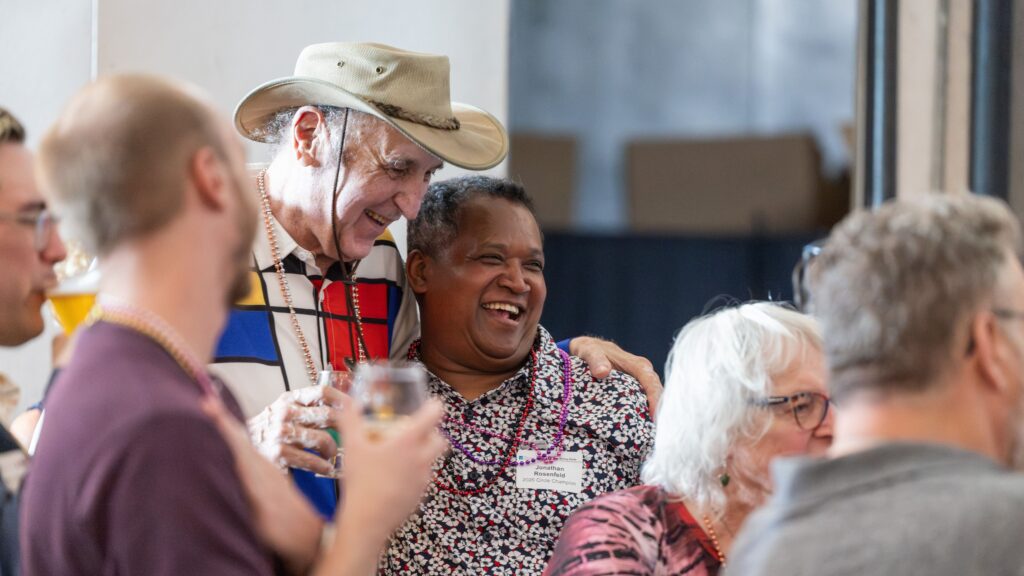
Over the next few hours, they’ll share perspectives, ask hard questions, and decide together how best to invest in their community.
Someone walked into the room thinking, “I’m just here to learn,” and will walk out realizing they can help shape the future of their community.
Dawn Perry, the Community Foundation’s Collective Giving Officer, has watched that moment happen again and again.
For Dawn, helping people discover the impact they can have together is what makes her work in philanthropy meaningful.
Finding Home Where You Live
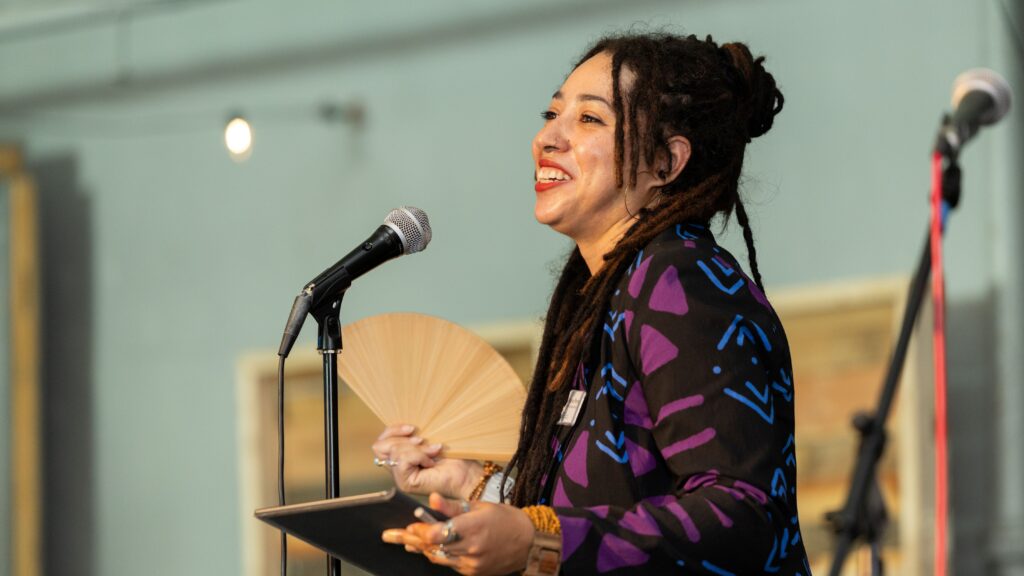
Dawn is from New York City and spent much of her career supporting arts organizations downstate. In 2019, she chose to relocate to Rochester. And like many people who choose a new city, she had to build connections, learn the community, and discover where she fit.
“I’ve learned that home isn’t just where you come from,” says Dawn. “It’s where you contribute, build relationships, and help create opportunities for others.”
That experience of finding community is one she now sees repeated in the giving circles she supports. If you run into Dawn around Rochester, you’re likely to find her listening more than speaking, head tilted slightly, nodding, giving someone her full attention.
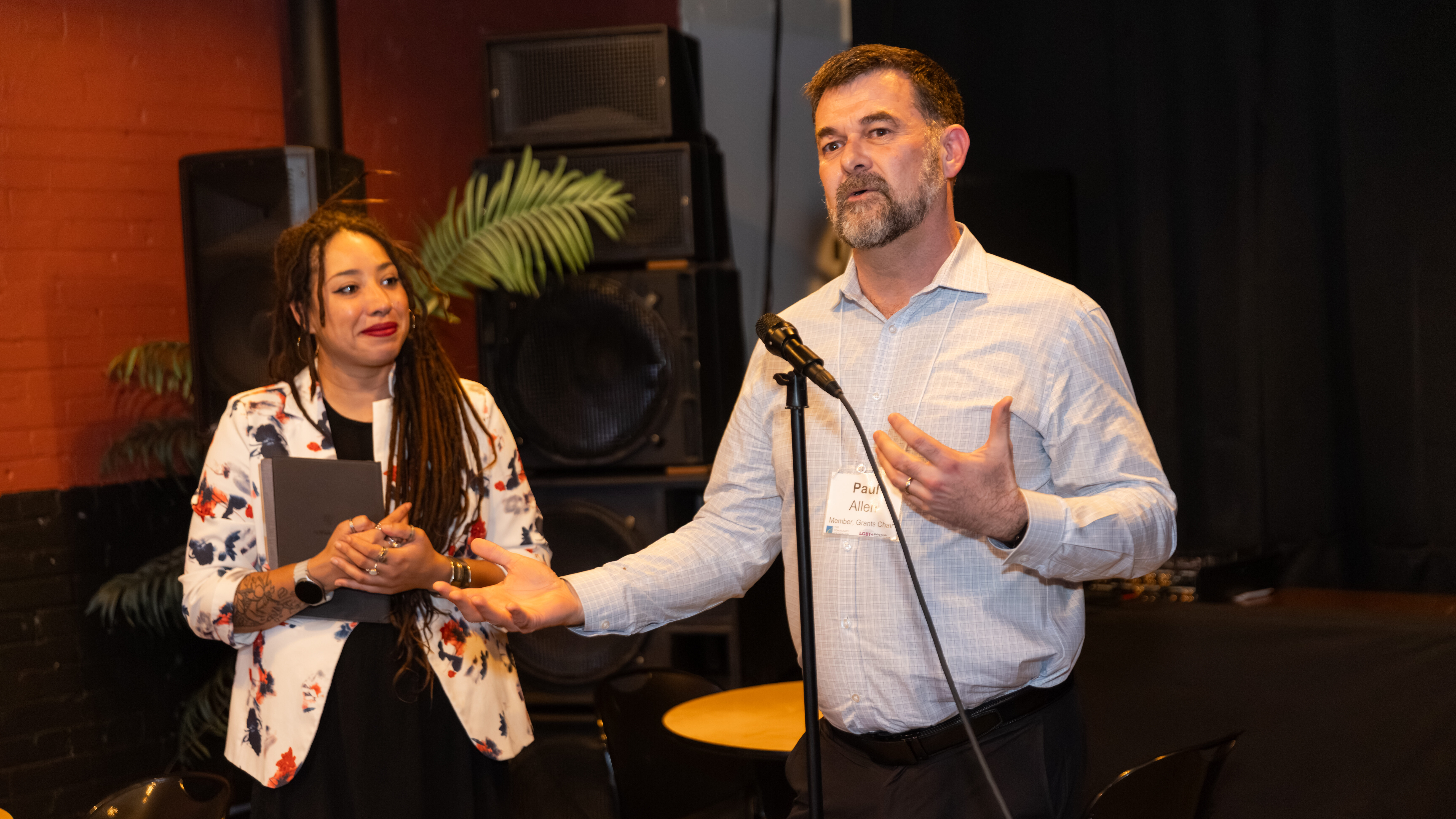
Dawn sees being involved in community-building in a chosen city as a deliberate commitment to invest in a place and its people. “It means listening, learning, and showing up,” she says, “not because you have all the answers, but because you care about the community’s future.”
Giving Circle Members Benefit, Too
Most giving circle members don’t arrive as philanthropy experts. They join because they care about their neighbors, a particular community, or an issue they want to better understand. Then they connect with people they never would have met, learn about community needs, and gain experience making collective decisions.
“The grants are the outcome, but the real transformation happens in the members themselves.”
— Dawn Perry, Collective Giving Officer
One Rochester Women’s Giving Circle member was deeply impacted by a Diversity, Equity, and Inclusion training. She realized she didn’t have deep connections with BIPOC communities and learned why investing in programs that uplift women within these spaces is important. Most importantly, her Circle provided a tangible way to put that learning into action.
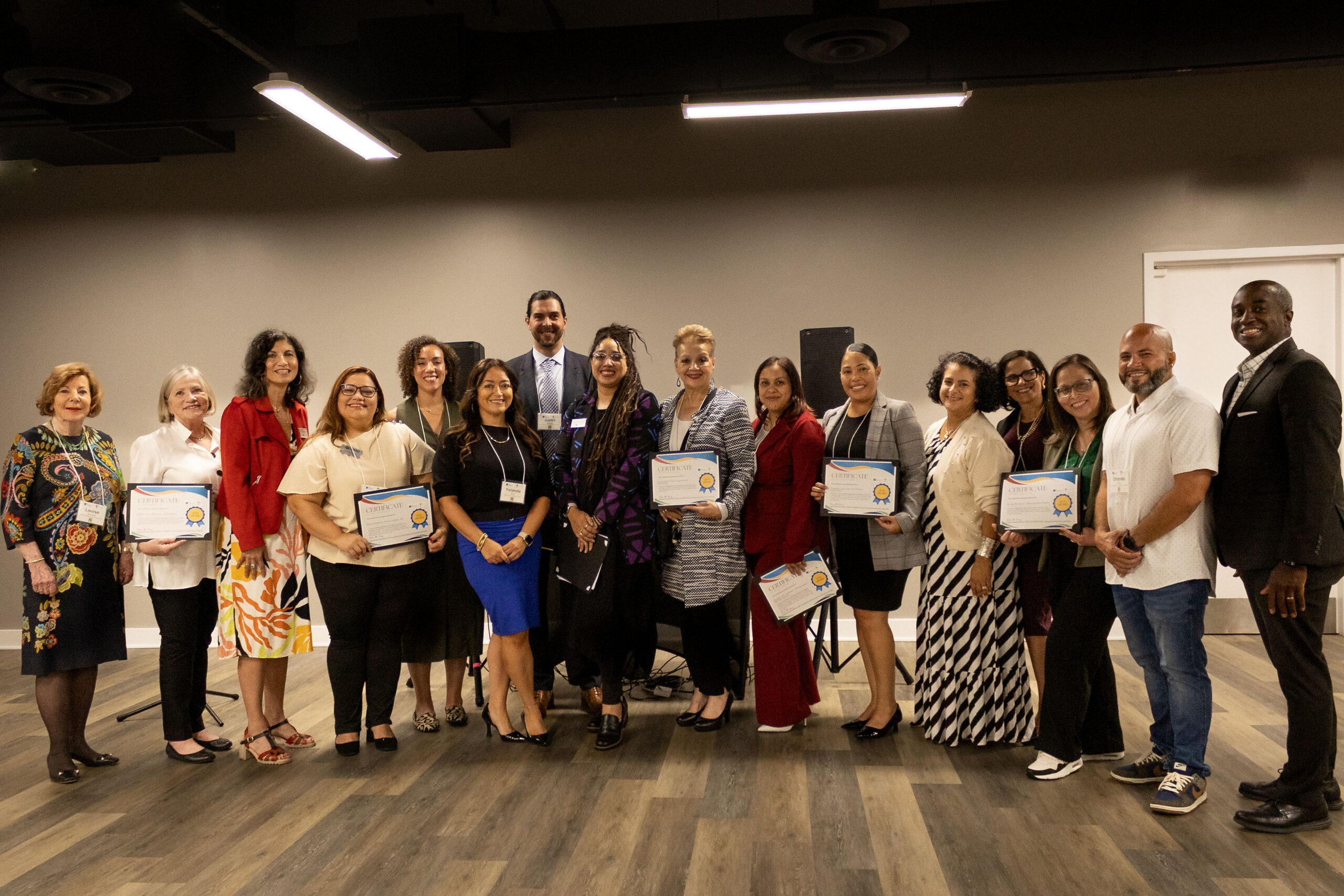
Local attorney Yolanda Rios didn’t consider herself a leader in philanthropy when she joined the Latino Giving Circle. Now, she serves as one of the Circle’s co-chairs and speaks publicly on its behalf.
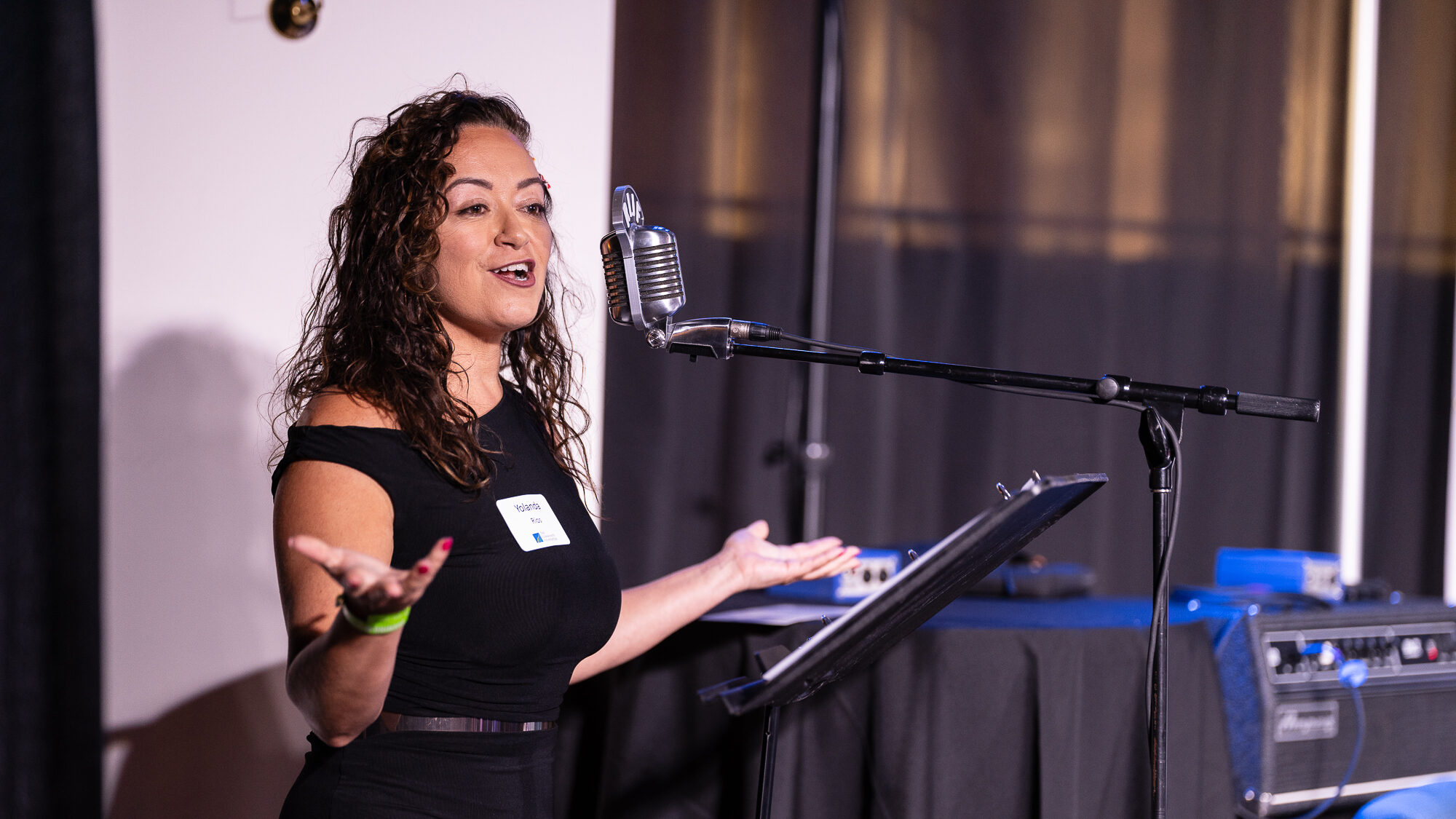
“We are not merely recipients of grants but philanthropists ourselves.”
— Yolanda Rios, Latino Giving Circle co-chair
Dawn recalls meeting an early-career professional who apologized for “only” being able to give a modest amount. But at every giving circle meeting she asked questions and offered her unique perspective. Months later, she discovered those contributions had been just as valuable as her donation.
“Philanthropy is not defined by the size of the gift,” Dawn says. “It’s defined by the desire to make a difference.”
How Members Make an Impact
- Reviewing nonprofit grant proposals
- Discussing community challenges and opportunities
- Attending site visits or events
- Learning about different perspectives and identities
- Making funding decisions together
- Connecting people and organizations that share a common goal
Listening Leads to Better Grantmaking
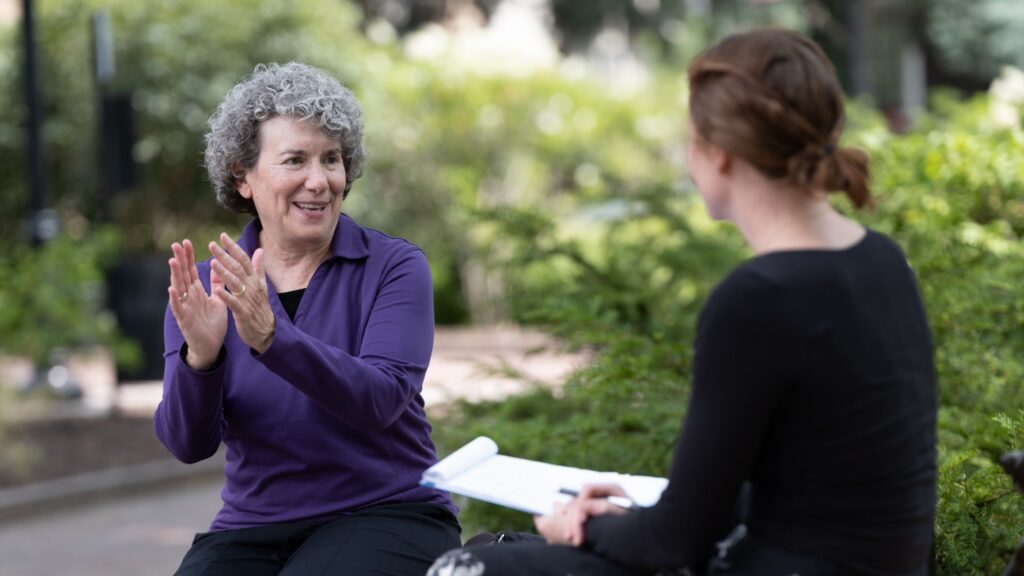
Collective giving groups provide a place where people with different experiences, perspectives, and means come together to build the community they want to live in. Dawn sees that space as an unmet need in today’s social fabric, and uses her role to offer tools, research, and support to help members act on their community’s priorities.
In action, these groups can make sure that resources reach communities in ways that are authentic and impactful. Members find they can shape their circle’s process as much as its priorities.
For example, members of the Latino Giving Circle and LGBT+ Giving Circle have used their lived experience to ask different questions while reviewing applications for funding:
- Who is being served?
- Who is leading the work?
- Does this organization reflect and understand the community it serves?
- What barriers might community members face in accessing these services?
Similarly, the Black Giving Collective has aligned its review process based on the findings of the 2024 State of Black Rochester report, leveraging contributions from local Black leaders.
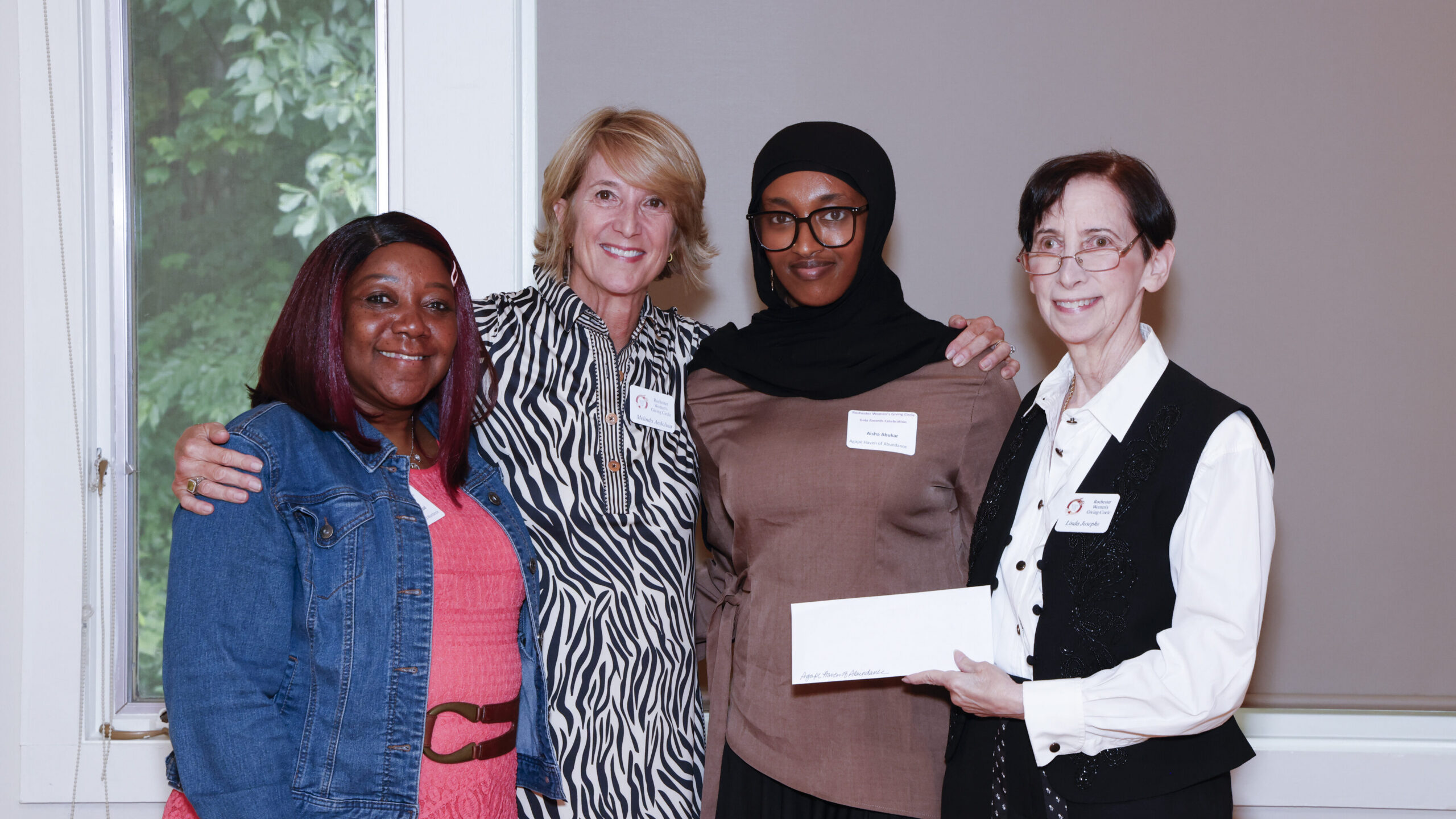
The Rochester Women’s Giving Circle pairs one of its members with each grantee for an entire year. This member becomes the nonprofit’s champion, offering support, answering questions, attending their events, and celebrating their accomplishments.
These community connections have helped shift each circle’s focus from funding programs that appear strong on paper to supporting organizations that are deeply trusted within the community.
Connecting to Community
Every giving circle gathering begins by bringing together people with different experiences and unique strengths. Those individuals often leave with a stronger connection to one another, their community, and their values.
Many leave with the confidence to call themselves philanthropists.
If you’ve ever wanted to become more connected to your community, collective giving might be where that journey begins. Learn more about collective giving.
« Back to News