
Before a Food Crisis Hit, Community Responded
September 25, 2026In the summer of 2025, when a federal shutdown threatened to pause the SNAP benefits that an estimated *14% of households in our region rely on, our community began planning for a food crisis. Food pantries anticipated soaring demand. Community organizations mobilized supplies and staff. Parents planned for how they would keep their families fed.
Philanthropy’s Response to Food Insecurity
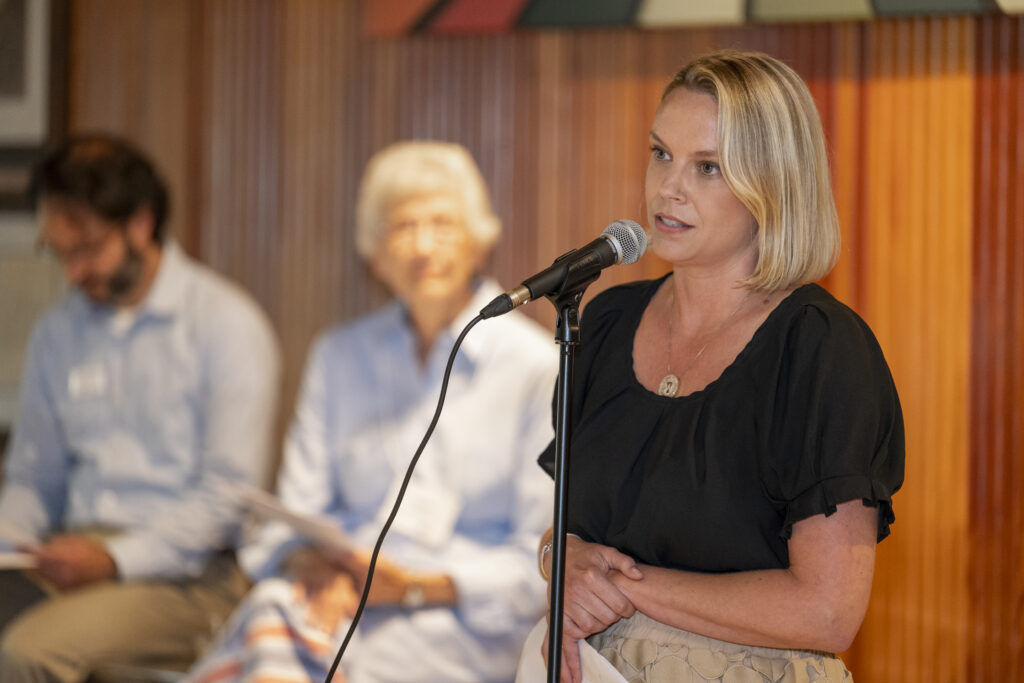
Sara Bukowiec, director of rural community impact, remembers sitting around a table with other regional funders and thinking, “What are we going to do if SNAP doesn’t get distributed in November?” The question wasn’t rhetorical. Over the next few months, there would be planning sessions, spreadsheets, and phone calls with distressed nonprofit leaders letting them know they wouldn’t be alone.
When the day came that SNAP benefits were put on hold, the philanthropic response was fast, coordinated, and strategic.
The Community Foundation and fundholders gave nearly $340,000 to 15 nonprofit grantees during the lapse in SNAP payments.
Within days, the Community Foundation made a $200,000 grant to Foodlink, our region’s largest food insecurity organization, to help them deploy $1.5 million in additional food purchases across the region. Foodlink partners with a network of hundreds of food pantries, community meal programs, shelters, group homes, day care providers, and senior centers to ensure everyone has access to emergency food.
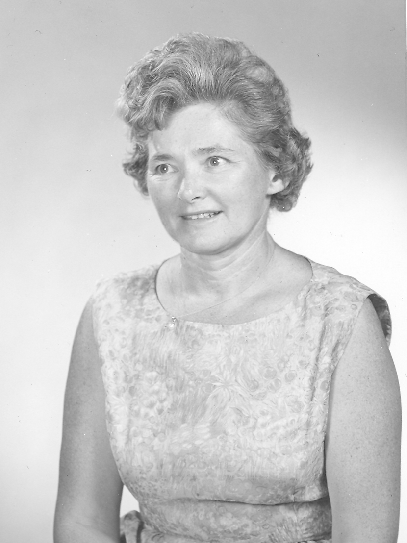
The speed of the response was possible because someone with foresight and care established an endowed fund focused on ending hunger two decades ago. The Mary Elizabeth Conlon Fund, established by a bequest in 2004, was leveraged to feed thousands of residents during the SNAP crisis of 2025.
At the same time, Community Foundation staff worked alongside nonprofit partners, regional funders, and local leaders to identify who that first wave of support would miss — especially in rural communities where food access challenges often look different.
Then donors stepped forward. Within weeks, Community Foundation fundholders contributed nearly $140,000 to support Foodlink and other rural food pantries and community-run organizations. Once resources were in hand, it was vital to deploy them well.
Data and Nonprofit Insights Guide Distribution
Staff analyzed poverty and population data, mapped pantry coverage across counties, consulted community partners closest to the issue, and coordinated with fellow funders to ensure resources reached the communities facing the greatest barriers.
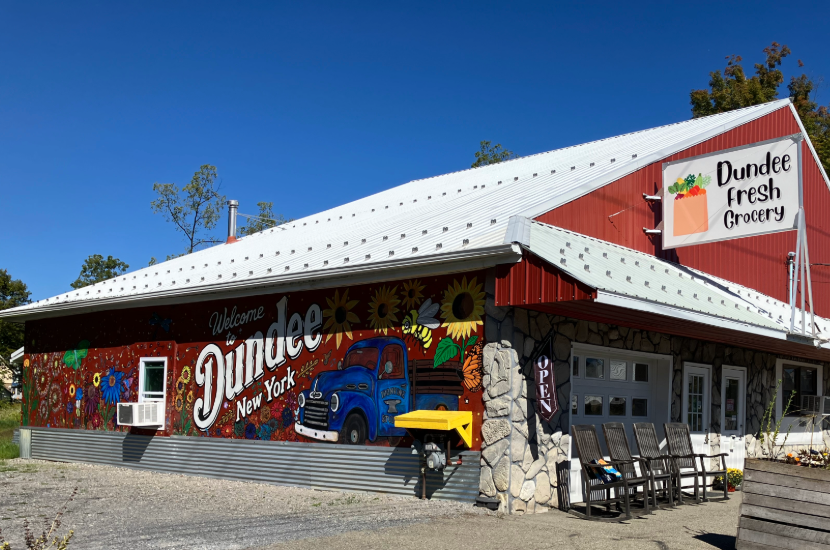
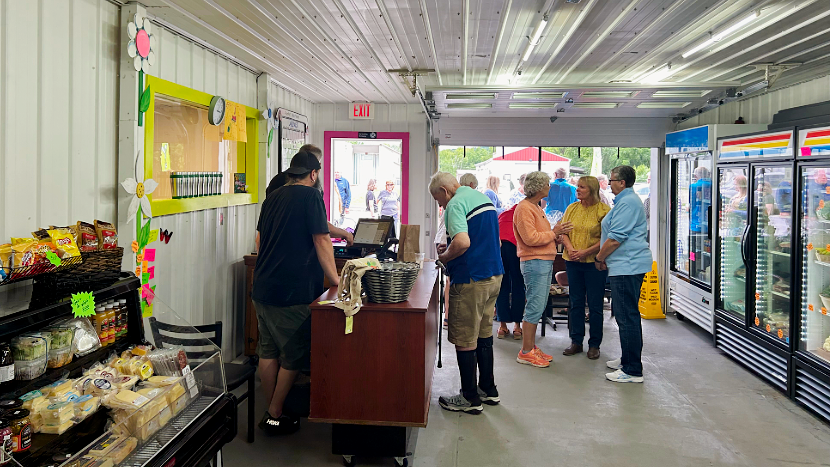
One grant helped Dundee Fresh — a nonprofit grocery store in a community with limited access to fresh produce — develop an emergency voucher program for families whose SNAP cards suddenly would not work.
After the Crisis
The response also revealed deeper opportunities that lasted far beyond the shutdown. Staff noticed that Yates County lacked some of the infrastructure that helped neighboring Wayne County respond smoothly: like an exhaustive list of food pantry partners, school leaders, and other stakeholders who can quickly navigate their local food systems when trouble arises. In the following months, Community Foundation staff brought people together to form a Food Access Coalition in Yates County.
Philanthropy became a bridge between immediate crisis and long-term resilience.
That wouldn’t have been possible without foresight. More than two decades ago, Mary Elizabeth Conlon’s will established an endowed fund focused on ending hunger. That decision allowed the Community Foundation to deploy resources when the need emerged — without delaying to fundraise during an emergency.
This is the power of philanthropy at its best: neighbors helping neighbors today, while building stronger systems for whatever comes next.
*Data from ACT Rochester, an initiative of Rochester Area Community Foundation.
« Back to News