New Grant Cycle Expands Arts Access for Kids
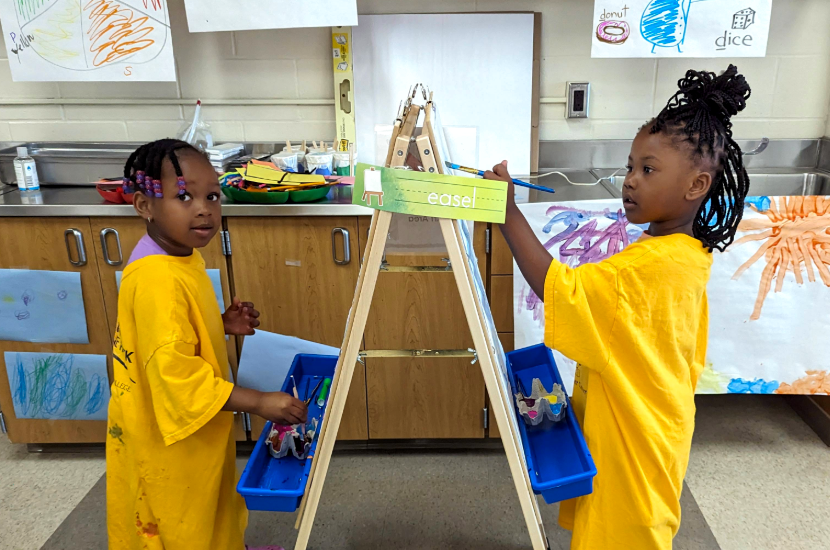
April 29, 2026One of Rochester Area Community Foundation’s newest grant cycles focuses on expanding access to the arts for K-12 learners. Both the numbers and the anecdotes show that these arts education grants are connecting young people to arts education in new and meaningful ways.
Impact of arts education grants
In 2025, the Community Foundation awarded more than $280,000 to support 35 creative programs that expand opportunities for young people to engage with the arts across eight counties.
We have *preliminary data from more than 500 youth who took part in these programs.
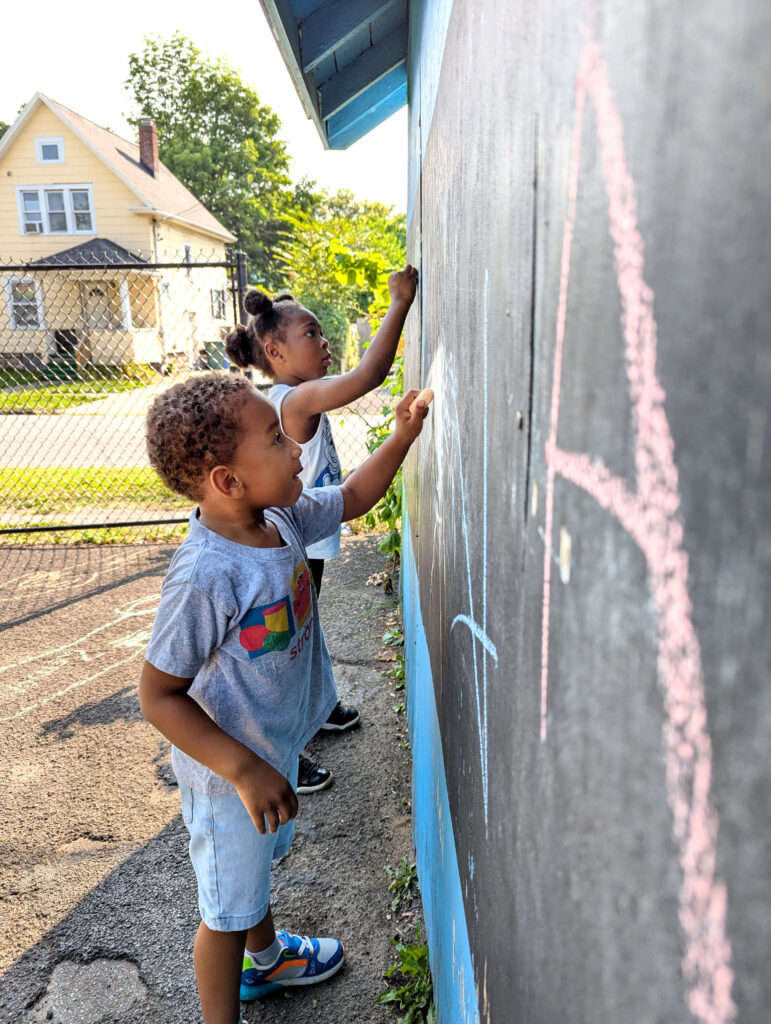
- 99% of respondents had fun in the program. Enjoyment is an important baseline, signaling that students felt welcomed and engaged enough to experience fun.
- 70% of respondents were more excited about the art form than before the program. This speaks to the quality of the programs and their ability to grow enthusiasm for the arts among young people.
- 43% of respondents had never done the art form before. This is a meaningful indicator that these grant dollars are helping connect youth to new experiences.
“Only one student had ever taken an out‑of‑school‑time arts class before joining us.”
— Prosper Rochester, 2025 grant recipient
Capturing this kind of data can be difficult for individual nonprofits, which makes the Community Foundation’s role especially valuable — providing partners with this kind of analysis helps them identify gaps, better understand impact, and strengthens collective investment across the region.
What are the barriers to arts access?
Families and nonprofits in our area are deeply familiar with the overlapping hurdles that can get in between a young person and the arts.
Common barriers:
- Programs aren’t located near home or work
- There aren’t enough program slots to meet demand
- Kids don’t have a ride to get there
- Program costs have to be weighed against grocery and utility bills
- Budget cuts have reduced or eliminated many in-school programs
- Families may be unfamiliar with art forms, institutions, and the people that run them
- There are doubts if certain options are for “people like me”
“Currently, 35 children participate in the program. We believe we could double that number if we were able to reduce or eliminate fees.”
— Phelps Community Center, 2025 grant recipient
Solving for these barriers requires shifting the programs themselves. Nonprofits are acutely aware that additional locations and program slots create opportunities for more students to participate, but growth requires more teachers, training, materials, and overhead costs.
How are local arts programs tackling access?
Every nonprofit that received funding last year asked for support in improving arts access, equity, and enjoyment — but each program tackled these challenges in its own way. Nonprofits pursued these creative solutions:
Free or low-cost programs, financial aid, and scholarships
Garth Fagan Dance provides scholarships to over 70% of students, minimizing the financial cost to their predominantly low-income, urban, African-heritage youth.
Increasing program slots
The Mozaic program in Seneca Falls, NY engaged 20 more children from rural areas in arts classes that were previously unavailable in their community, including hip hop and photography.
Paying teaching artists fair wages
The Pennsylvania Yankee Theatre Company was able to pay an honorarium to youth theatre counselors who spend 60 – 85 hours mentoring Ontario and Yates county youth during the summer production.
Training instructors to ensure programs are inclusive of all learners
Grupo Cultural Latinos trained educators to integrate social and emotional learning into dance and mindful movement curriculum for students who need extra support to regulate their emotions.
Removing language barriers
The Friends of Ganondagan and Rochester School for the Deaf hosted an Indigenous artist in residence fluent in American Sign Language to offer storytelling and cultural activities to students in their native language.
Buying materials or food for kids
The Urban League of Rochester Summer LEAP program is a no-cost program that provides two meals per day while teaching students to sing, crochet, write creatively, express themselves through collage, and explore their cultural background.
Hosting programs nearby in convenient and familiar spaces
The Draper Center for Dance Education saw an uptick in enrollment and more student diversity after offering programming in places like the Fredrick Douglas Library and Strong Museum of Play.
Providing transportation for students who need it
Renaissance Academy Charter School of the Arts provided transportation to students who would have difficulty attending before-school enrichment due to restricted district bussing.
From violin lessons to center stage
Strings for Success, an instrumental strings program at Dr. Charles T. Lunsford School 19 by Center for Youth, shows how children in the City of Rochester can respond to opportunities to learn and perform.
Students as young as third grade take violin lessons during the school day and perform at local and national venues. With opportunities to play for the Mayor or travel out of state, they gain confidence, skills, and pride in their abilities.
For many of these young musicians — 90% of whom are children of color and the majority of whom are from families facing economic challenges — this program creates a sense of belonging in spaces where they’ve historically been underrepresented.
Some of the programs’ proudest moments are when a student is accepted to continue their musical education at School of the Arts or the Hochstein School.
“We have two students taking the leap and auditioning for Hochstein ensembles. I believe this is related to the fact that parents feel comfortable going there because they have been there before.”
— Patty Yarmel, co-director of Strings for Success
Given access and opportunity in a supportive environment, students in Strings for Success often improve academically, better regulate their emotions, and attend school more consistently.
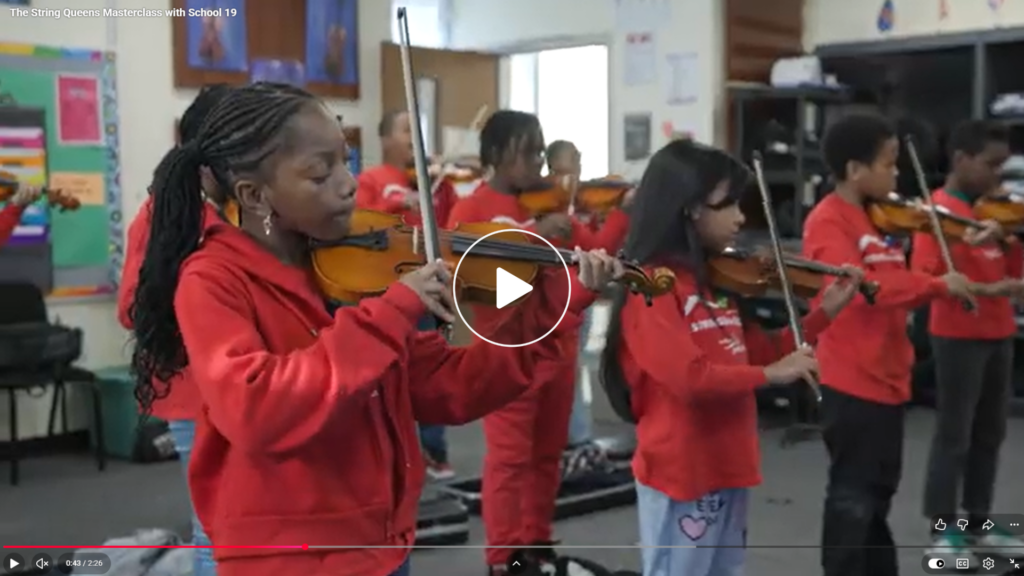
Last year, we partnered with Strings for Success to arrange a masterclass at School 19 with visiting artists The String Queens. Watch the video.
Helping more young people get inspired
Last year, donor-advised fundholders added more $80,000 to the Arts Education grants cycle, responding to proposals that align with their ambitions for our community. Reach out to Mary Hartstein, director of donor engagement and impact to get connected to vetted nonprofit proposals.
*Participant data continues to arrive on a rolling basis. This data set was last updated September of 2026.
« Back to News